.avif)

Walk-In Cooler Maintenance Guide for NYC Businesses
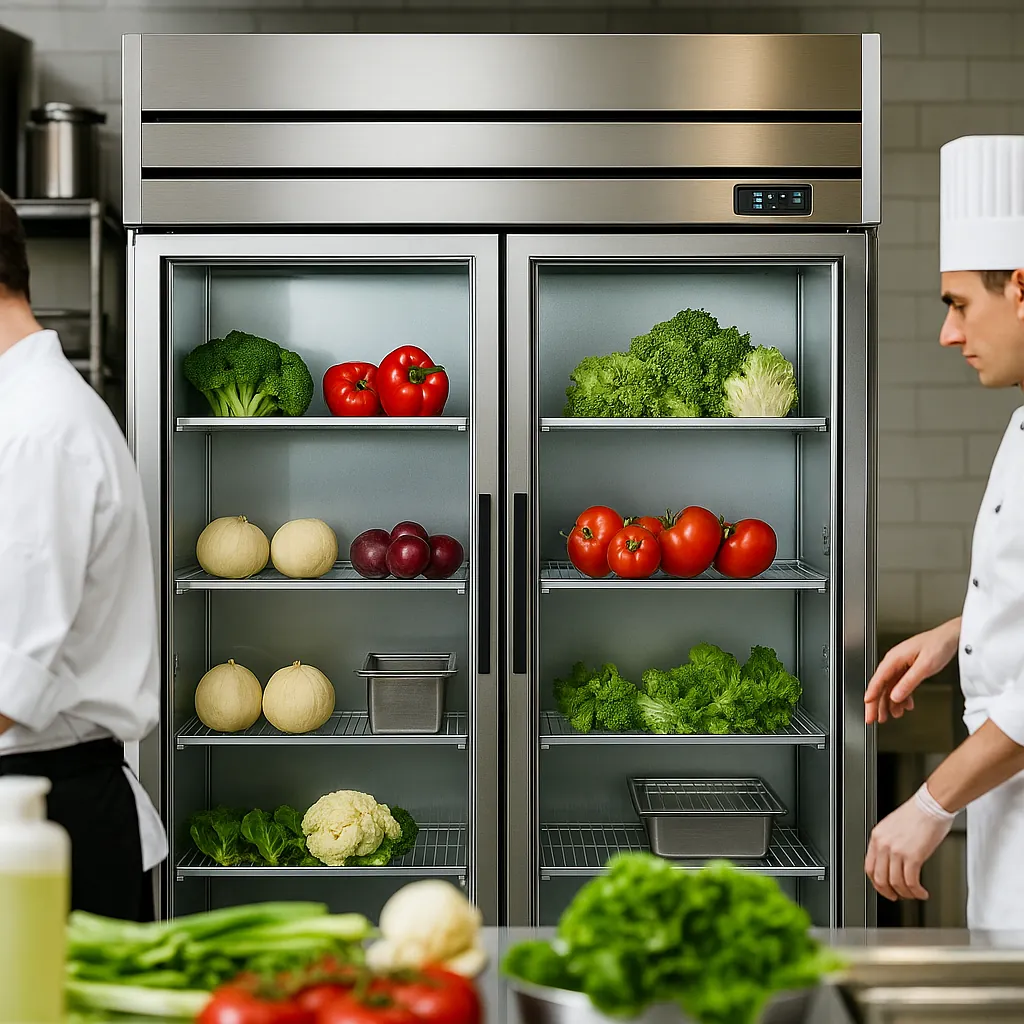
Keeping a walk‑in cooler in peak condition protects perishable stock, cuts energy bills, and prevents last‑minute emergencies that disrupt service. This guide breaks down practical preventative care—cleaning coils, checking door gaskets, monitoring thermostats, and scheduling pro inspections—and explains how those steps reduce spoilage and operating costs. You’ll find clear daily and weekly checklists for staff, monthly and quarterly technical tasks for maintenance teams, straightforward troubleshooting, and efficiency tips tuned for dense NYC environments. We also outline when to call a technician and how service contracts help preserve warranties and uptime.
Why Is Walk‑In Cooler Maintenance Critical for NYC Businesses?
Regular walk‑in cooler maintenance keeps food safe, helps control energy costs, and ensures uninterrupted operation during busy service hours. Small problems—dirty coils, failing gaskets, or drifting thermostats—quickly become big risks: temperature swings invite bacterial growth, overworked compressors spike electricity use, and unexpected failures can force service cuts. In NYC, where health inspections are strict and urban heat loads are high, a simple, consistent maintenance program protects inventory value and regulatory compliance. Below we translate those benefits into the operational and financial reasons managers should prioritize a plan.
Maintenance matters for NYC businesses for several clear reasons:
- Food safety and compliance: Keeping correct temperatures reduces spoilage and helps you stay inspection‑ready.
- Energy and cost control: Clean coils and balanced airflow shorten run‑times and lower utility bills.
- Operational reliability: Routine upkeep cuts the chance of emergency breakdowns that interrupt service and revenue.
Together, these benefits show how a straightforward maintenance plan delivers measurable savings and reduces operational risk. Next, we explain how targeted maintenance improves energy performance.
How Does Regular Maintenance Improve Energy Efficiency and Reduce Costs?
Routine maintenance restores components to their designed performance so compressors and fans don’t have to work overtime. Dirty condenser coils, blocked airflow, or low refrigerant all make compressors run longer and cycle more often. Regular coil cleaning and fan checks reduce runtime and lower electricity demand — a clear operational saving for high‑use coolers. Understanding these failure modes makes it easier to justify preventative tasks and to choose scheduled service over reactive repairs.
What Are the Food Safety and Compliance Requirements for NYC Commercial Refrigeration?
NYC commercial refrigeration must hold temperatures appropriate for stored items and keep accurate logs to demonstrate compliance with local health rules and USDA guidance. Perishables need consistent monitoring throughout the day, and written records simplify inspections and audits. Routine maintenance, calibrated thermometers, and documented corrective actions create defensible records and reduce the chance of violations or inventory loss. These logs also give technicians the data they need to diagnose intermittent problems faster when you call for professional service.
What Are the Daily and Weekly Walk‑In Cooler Maintenance Tasks for NYC Businesses?
Daily and weekly checks are the first line of defense against contamination, temperature excursions, and seal failures. Staff routines focus on temperature logs, door‑gasket checks, surface sanitation, and basic inspections of drains and interior fans. Doing these simple tasks consistently protects product quality, limits odor and mold risk, and produces the documentation needed to escalate issues promptly. The sections below give the practical steps staff can perform with minimal tools.
Make routines easy to follow by using a short shift checklist:
- Daily temperature checks: Record the cooler’s internal temperature with a calibrated thermometer at the start and end of every shift.
- Door gasket inspection: Look for cracks, hardening, or gaps; wipe gaskets clean so doors seal properly.
- Clear floor & drain checks: Keep entryways clear and confirm condensate drains flow freely to prevent standing water.
These quick actions cut down on emergency repairs and give technicians early warning signs—see the next how‑to guidance for details on monitoring and seals.
How to Perform Temperature Monitoring and Door Seal Inspections?
Start with reliable tools: a calibrated digital thermometer and defined acceptable ranges for each product type. Log temperatures at set intervals and flag deviations for supervisor review; that record helps spot slow failures like refrigerant loss or thermostat drift. For gaskets, inspect the full seal, use a piece of paper to test for leaks, and clean with food‑safe cleaners to remove debris that prevents a tight seal. If a gasket is brittle or leaks after cleaning, schedule a replacement—keeping seals in good shape reduces compressor workload and preserves temperature control.
What Cleaning Steps Should Staff Follow for Walk‑In Cooler Sanitation?
Sanitation prevents mold and bacteria from taking hold on shelves, walls, and drains. Schedule weekly deep cleans and daily spot cleaning of spills. Use food‑safe disinfectants, remove product during thorough cleaning, and clean shelves, floors, and door frames on a regular cadence. Flush drains and defrost areas with warm water and approved cleaners to avoid clogs and odors, and protect electrical components from excess moisture while you clean. Assign clear ownership and document procedures so you can show inspectors and keep cross‑contamination risks low.
Which Monthly and Quarterly Maintenance Activities Extend Walk‑In Cooler Lifespan?
Monthly and quarterly tasks address wear and system health: condenser and evaporator coil cleaning, fan inspections, defrost system checks, and refrigerant level verification. These technical activities take more time and sometimes tools, but they deliver the biggest lifecycle benefits by preventing compressor failure and improving thermal transfer. Proactive servicing lowers energy use, lengthens equipment life, and keeps warranty eligibility intact when performed and recorded by a professional. The table below compares common component tasks, recommended frequency, and expected outcomes to help you schedule work.
How to Clean Condenser Coils and Evaporator Fans Effectively?
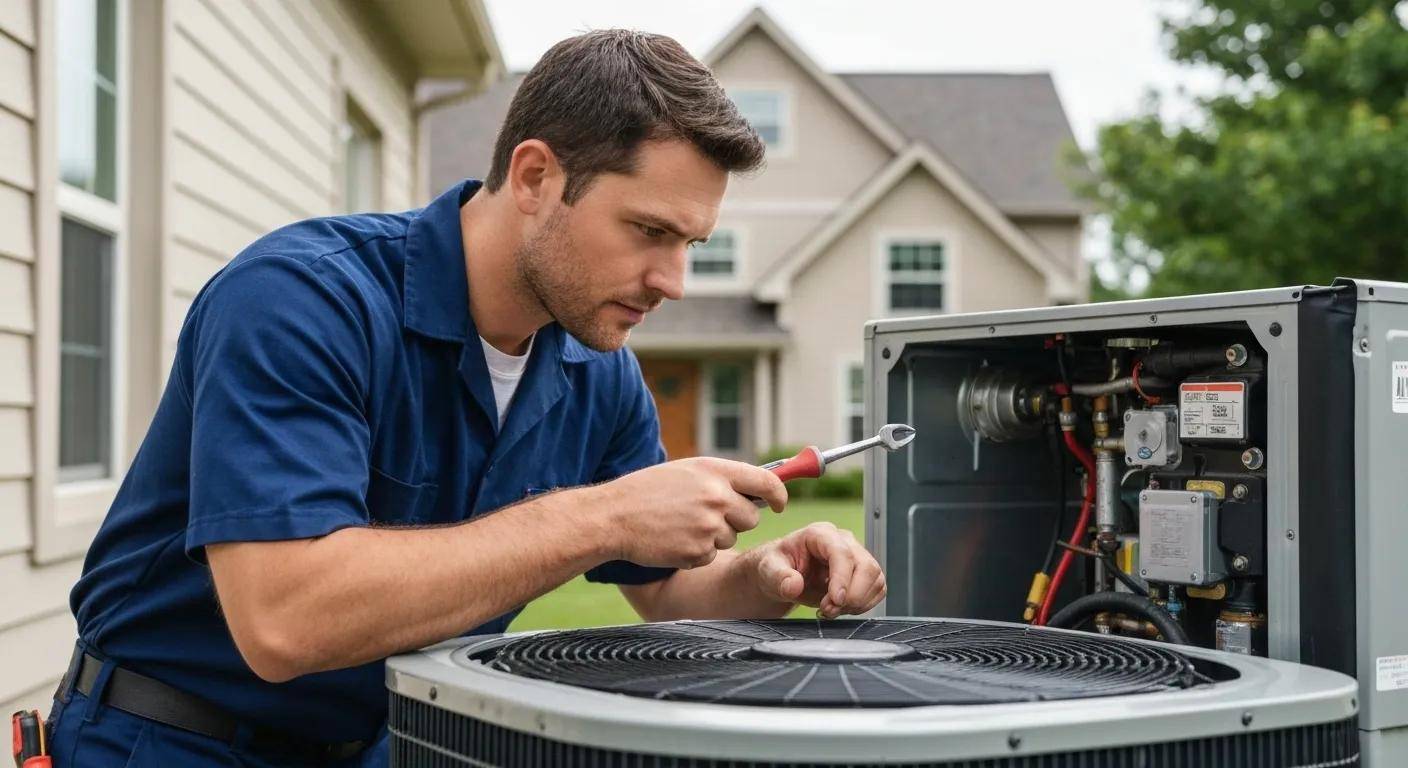
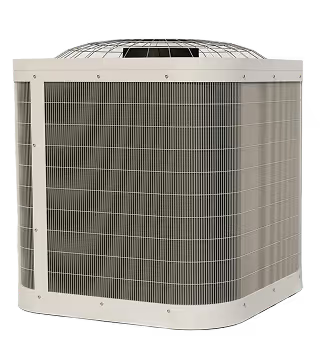
Cleaning coils and fans starts with safe access, the right PPE, and proper tools—soft brushes, low‑pressure rinsing, and coil‑safe cleaners—to avoid bending fins or contaminating motors. Remove loose debris, apply a non‑corrosive coil cleaner if needed, then rinse using manufacturer‑approved methods while keeping electrical parts dry. For evaporator fans, check blade condition, remove grime, and confirm mounts and bearings are secure—noisy or wobbling fans need immediate attention. Stop and call a qualified technician if fins are damaged, motors run hot, or cleaning requires disassembly beyond simple panel removal.
When Should Professional Walk‑In Cooler Service Be Scheduled in NYC?
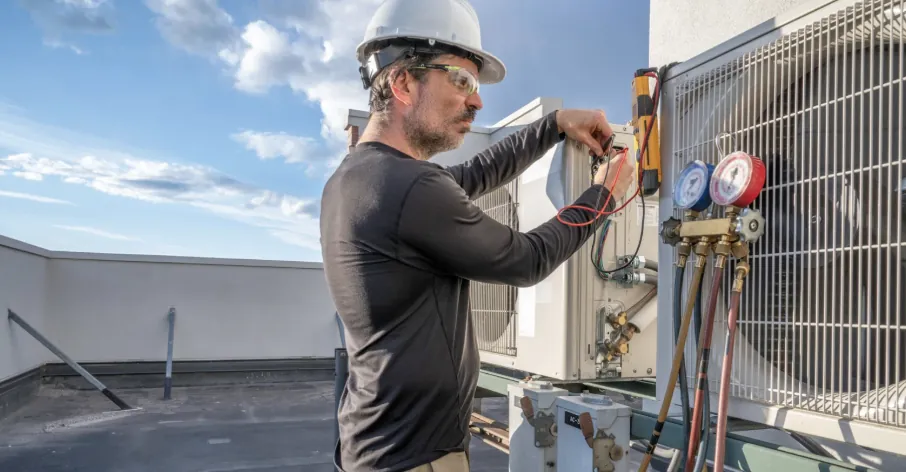
Schedule professional service on a predictable cadence—quarterly for heavy‑use kitchens and semiannually for lighter operations—and immediately after warning signs like persistent temperature deviations, rapid compressor cycling, or strange noises. Documented inspections protect warranty terms and create a service history that speeds future diagnostics and parts replacement. Business‑impact triggers, such as repeated temperature excursions that risk inventory, justify expedited service. A service contract with agreed inspection intervals reduces administrative friction and helps protect long‑term equipment value while keeping operations compliant in NYC.
After reviewing typical service cadences, consider a professional provider for preventative maintenance and emergency repairs to protect your investment and minimize downtime.
Liberty HVAC offers scheduled preventive maintenance and commercial refrigeration service for NYC businesses, with transparent pricing, free estimates for new equipment and a workmanship warranty up to 5 years. Businesses across Brooklyn, Queens, the Bronx, Staten Island, Manhattan, Nassau and Westchester rely on regular visits and fast response to keep walk-ins and freezers running. Call (718) 490-4449.
How Can NYC Businesses Troubleshoot Common Walk‑In Cooler Problems?
Troubleshooting focuses on fast, practical checks that protect inventory and clarify whether professional repair is needed. Common symptoms include loss of cooling, heavy frosting, unusual noises, or water leaks. Staff can confirm thermostat settings, inspect door seals, and check condenser airflow before calling a technician.
A simple problem–cause–fix matrix helps staff act quickly and gather the right information for a service visit.
What Are the Signs of Compressor and Evaporator Fan Issues?
Compressor trouble often shows as short‑cycling, long run times, or overheating. Evaporator fan problems show up as weak airflow, uneven temperatures, or humming/scraping sounds. Short‑term steps include reducing door openings, moving high‑heat loads away from the cooler, and ensuring condenser airflow is clear to reduce stress on the compressor. Record serial numbers, run hours, and any error codes to give technicians precise data—those details speed repairs and lower the chance of repeat visits.
How to Address Walk‑In Cooler Temperature Fluctuations and Door Seal Failures?
Work through a logical checklist: confirm thermostat and control settings, check door seals for leaks, ensure evaporator and condenser airflow are unobstructed, and review recent load or door‑use changes. Temporary fixes like cleaning gaskets, applying approved gasket conditioners, or using tape/magnetic strips can help briefly, but they’re stopgaps. If temperature logs show ongoing excursions or you rely on temporary measures, call a professional for refrigerant checks, control calibration, or gasket replacement to avoid inventory loss. Document the steps taken to support warranty claims and prioritize repairs.
If on‑site troubleshooting doesn’t restore safe, stable temperatures, request same‑day repair or professional diagnostics to protect product and return the unit to service quickly. Liberty HVAC offers emergency response and diagnostics and can handle complex issues while keeping warranty documentation intact through service records.
When and Why Should NYC Businesses Choose Professional Walk‑In Cooler Repair and Maintenance Services?
Choosing between DIY fixes and professional service depends on technical complexity, warranty terms, and business impact. Professional technicians provide accurate diagnostics, OEM‑compliant repairs, and documented service records that protect warranties and resale value. DIY attempts risk improper refrigerant handling, voided warranties, or temporary fixes that lead to repeat failures. Look for providers who prioritize fast response, transparent pricing, factory training, and extended warranty options to balance cost and reliability. The sections that follow summarize why rapid response and qualified technicians matter and why clear pricing and warranties are important for budgeting.
Pick a professional provider based on these operational priorities:
1. Response time: Fast dispatch minimizes inventory loss and downtime.
2. Technician qualifications: Factory‑trained technicians follow OEM procedures and use correct parts.
3. Transparent pricing & warranty: Clear estimates and coverage reduce surprise costs.
These qualities justify service contracts and scheduled maintenance that keep coolers running reliably.
What Are the Benefits of Same‑Day Service and Factory‑Trained Technicians?
Same‑day service and factory‑trained techs reduce inventory risk by restoring cooling quickly and shortening temperature excursions that cause spoilage. Factory training means technicians use recommended diagnostics and genuine parts when required, lowering the chance of repeat failures and preserving warranty support. Faster, accurate repairs also cut lost labor time and speed return‑to‑service, improving resiliency during peak periods. These benefits help make the case for investing in vetted vendors and maintenance agreements for commercial kitchens.
How Do Extended Warranties and Transparent Pricing Protect Your Business?
Extended warranties and clear pricing turn unpredictable repair costs into manageable expectations, helping forecasting and reducing emergency capital outlays. Transparent estimates with defined scopes prevent surprise charges and build trust between provider and operator. A documented service history supports warranty claims and can improve asset resale value. Choosing a provider that records work clearly and offers extended warranty options helps avoid hidden costs and simplifies audits or insurance claims. These protections, combined with routine maintenance, lower lifecycle costs and operational risk.
If you’re ready to act, request free quotes, schedule a visit, or call qualified commercial refrigeration providers—look for vendors that match these criteria.
What Energy Efficiency Tips Help NYC Businesses Optimize Commercial Refrigeration?
Energy efficiency combines smart operations, regular maintenance, and sensible equipment placement to reduce load in tight urban spaces. Minimize door openings, keep insulation intact, maintain clear condenser airflow, and set defrost schedules that match usage. Installing simple monitoring and controls lets managers track KPIs and measure gains after maintenance or layout changes. The table below links common efficiency actions to impact and estimated savings so you can prioritize projects.
How Does Regular Maintenance Reduce Energy Consumption in Walk‑In Coolers?
Maintenance eliminates the inefficiencies that force compressors and fans to overwork—dirty coils, restricted airflow, or incorrect refrigerant charge. Coil cleaning, fan service, and thermostat calibration shorten run cycles and raise system efficiency (COP), producing measurable electricity savings. Track energy before and after maintenance with meters or monitoring to prove ROI. Establish KPIs like run‑time hours and energy per degree‑day to guide continuous improvements and prioritize the highest‑impact tasks.
What Are Best Practices for Airflow and Equipment Placement in NYC Commercial Spaces?
Best practices focus on adequate clearances for condensers, avoiding nearby heat sources, and providing ventilation for rooftop or enclosed condenser locations common in NYC buildings. Keep manufacturer‑recommended spacing, avoid siting units near exhausts or hot equipment, and use shading or ventilated enclosures where possible. Inside cooler rooms, don’t block return grills or stack product against evaporator coils—allow free airflow. These siting and placement choices reduce ambient load, extend component life, and improve energy performance in tight urban footprints.
Frequently Asked Questions
What are the common signs that a walk‑in cooler needs maintenance?
Watch for inconsistent temperatures, new or louder noises, rapid frost build‑up, and water pooling. If set temperatures aren’t holding, that can indicate a refrigerant or control issue. Grinding, rattling, or humming often point to mechanical wear. Quick frost or standing water usually signals a defrost or drain problem. Regular checks and fast action on these signs prevent larger failures and protect inventory.
How can staff be trained to perform effective walk‑in cooler maintenance?
Train staff with clear, short checklists for daily, weekly, and monthly tasks and run hands‑on sessions for temperature checks, gasket inspection, and basic cleaning. Use visual aids and documented procedures to reinforce best practices, update training when equipment or processes change, and encourage prompt reporting. Assign ownership for each task so routines stay consistent and compliant.
What should businesses consider when selecting a professional service provider?
When choosing a service provider, prioritize response time, technician qualifications, and transparent pricing. Check experience in commercial refrigeration, customer reviews, and whether technicians are factory‑trained for your equipment. Ask about service contracts, warranty options, and clear estimates to avoid surprises. A reliable provider communicates clearly and focuses on uptime and compliance.
How can businesses ensure compliance with health regulations regarding refrigeration?
Maintain accurate temperature logs, run regular equipment inspections, and follow local health codes. Monitor temperatures at set intervals and document any corrective steps. Train staff to spot early signs of failure and keep up with scheduled maintenance from a professional provider to ensure systems meet regulatory requirements and reduce the risk of violations.
What are the potential consequences of neglecting walk‑in cooler maintenance?
Neglect can lead to spoiled inventory, higher energy bills, and expensive emergency repairs. A poorly maintained cooler may fail health inspections, incur fines, and damage reputation. Frequent breakdowns disrupt service and revenue. Regular maintenance is a small investment compared to the cost of avoidable failures.
What energy‑saving practices can be implemented in walk‑in cooler operations?
Save energy by cleaning condenser coils regularly, maintaining door seals, and optimizing airflow. Use night covers during low‑use hours, avoid overloading the cooler so air can circulate, and calibrate thermostats correctly. These practices lower energy use and operational costs while improving reliability.
Conclusion
Consistent walk‑in cooler maintenance is a practical way for NYC businesses to protect food safety, cut energy costs, and keep operations running smoothly. Follow the preventative steps in this guide, document your work, and partner with a qualified service provider when issues go beyond routine care. If you’re ready to act, reach out to schedule preventative maintenance or emergency service and keep your refrigeration systems—and your business—running reliably.
Why Call a Professional?
Don’t wait for a minor issue to become a major hassle. If you notice any of these signs, schedule a professional service visit to keep your HVAC system running smoothly and efficiently.